The Museum Within Us
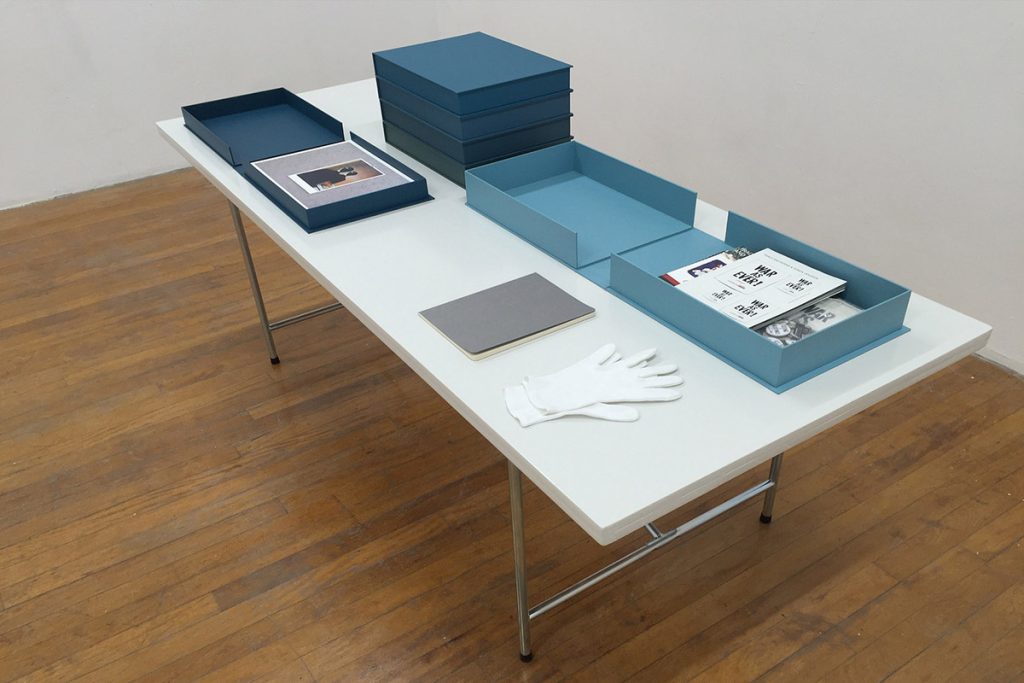
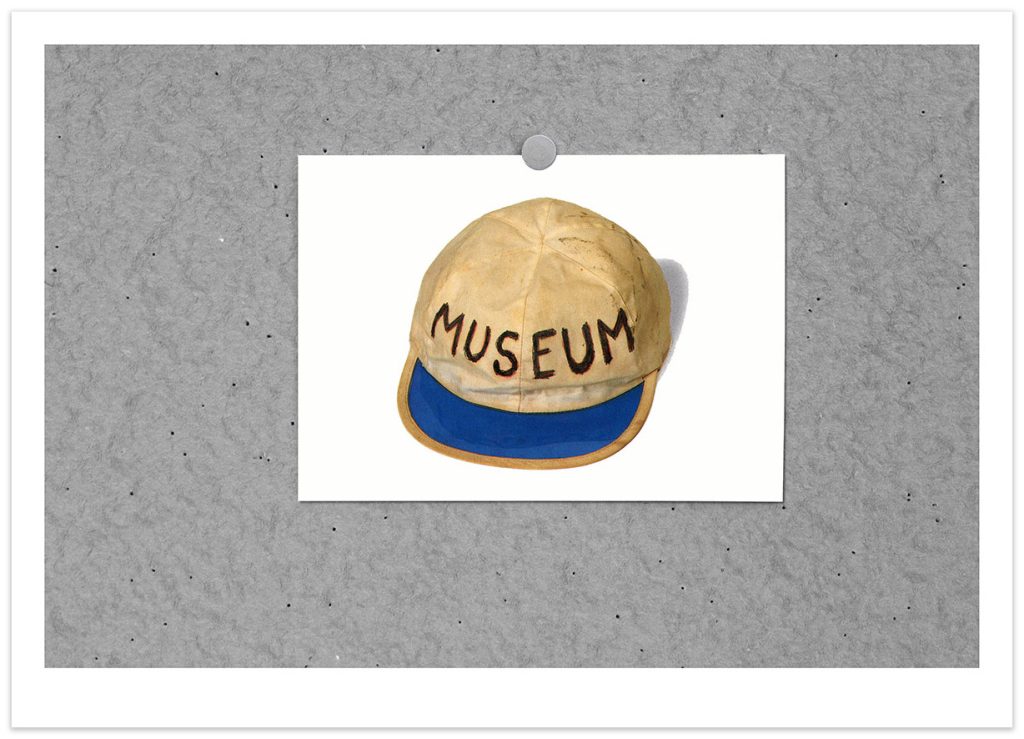
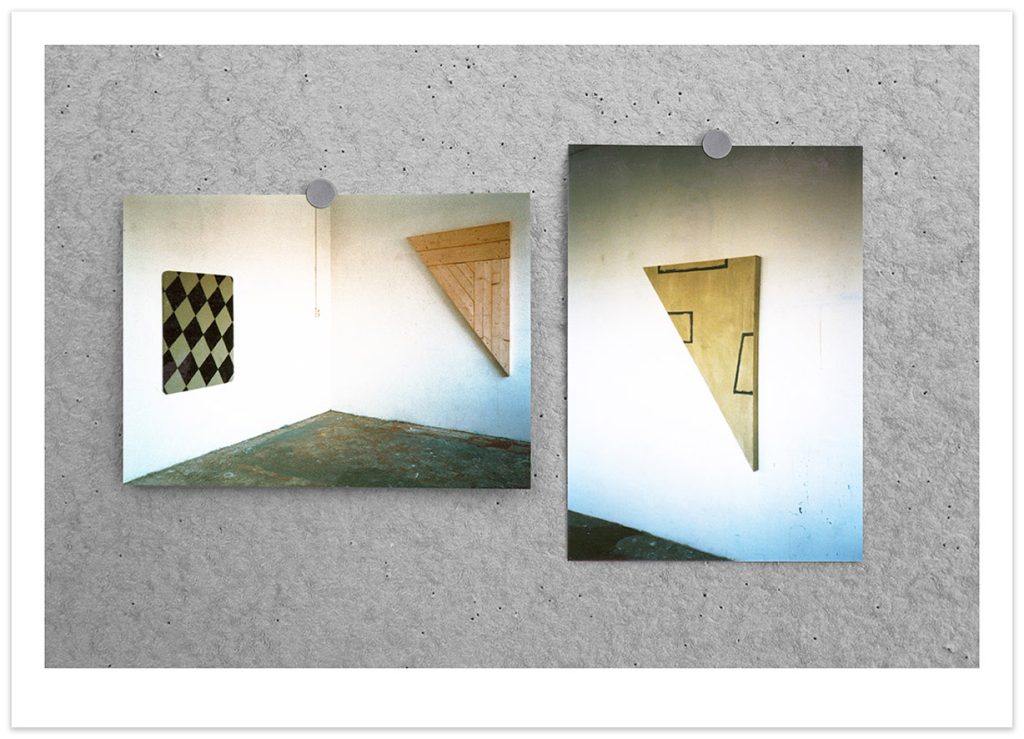
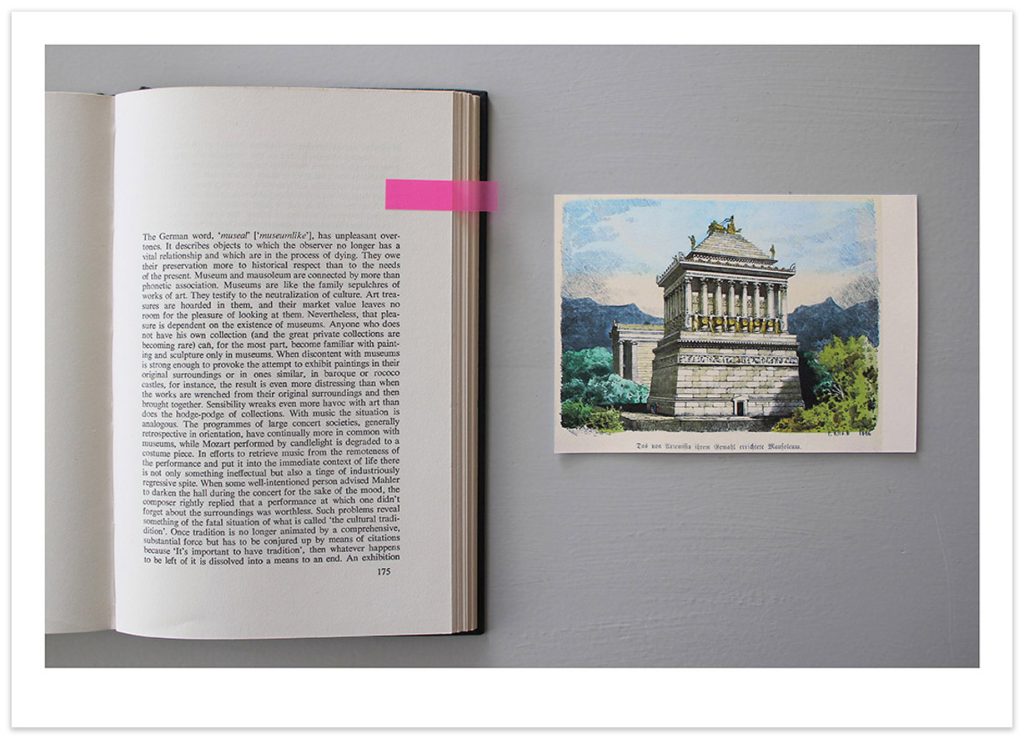
The outcome of my PhD research project, titled The Museum Within Us: Exposing Artist-Led Curatorial Strategies in an Expanded Practice, was published in 2016. The project comprises five boxes, each containing 206 digital prints (396 x 283 mm in size). These prints reflect the research process and serve as the outcomes.
The project also includes a text in the form of a tour guide, which provides an overview of the research process and contextualises my interests within the broader context of contemporary art. Additionally, a box containing previously produced publications is included to provide further insights into the research process and the artist-led curatorial strategies employed.
The project, The Museum Within Us, explores the role of collecting, curating, and display in my practice and contemporary art. Driven by my passion for museums, displays, and juxtapositions, the project guides the viewer through a virtual “museum” that showcases the diverse curatorial strategies employed by artists as part of their creative process.
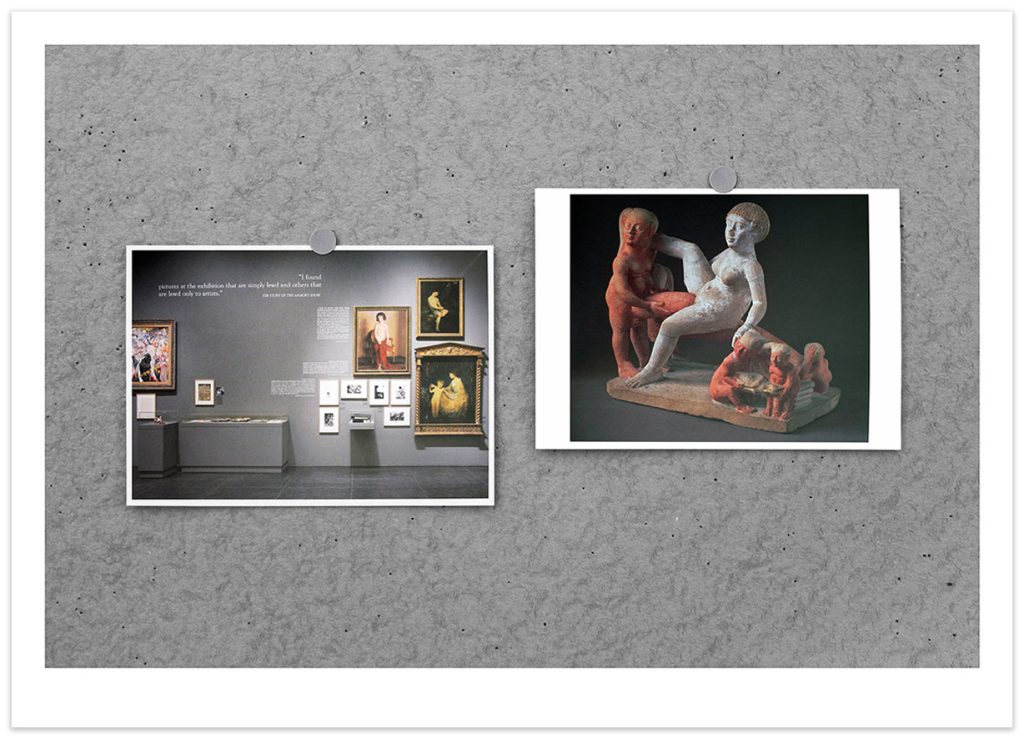
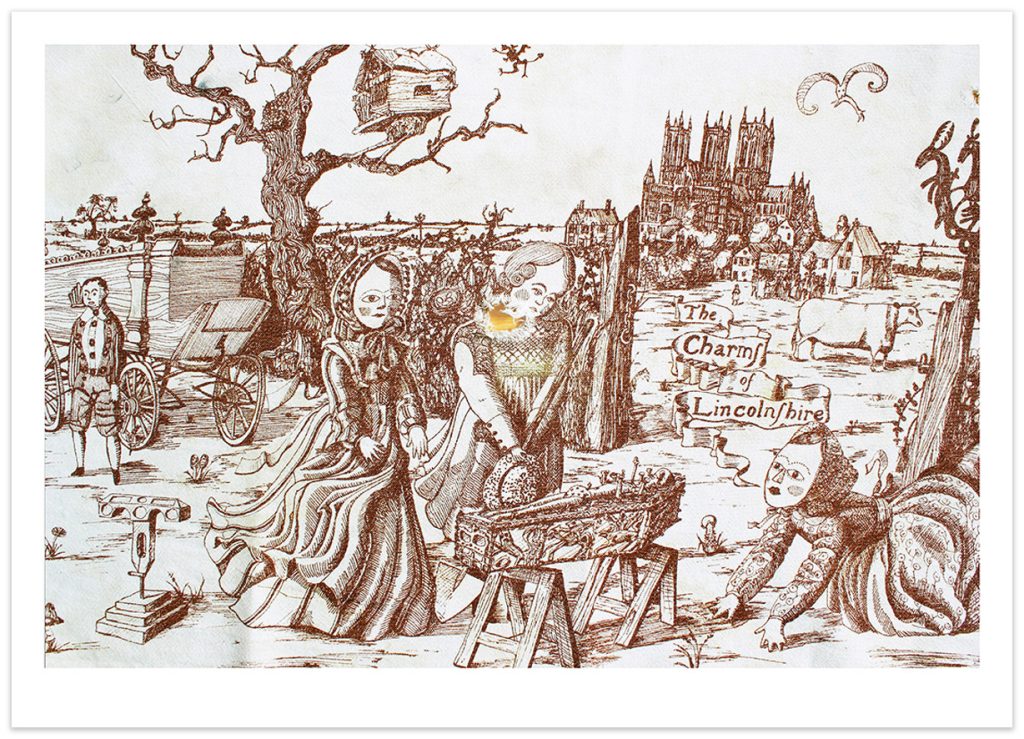
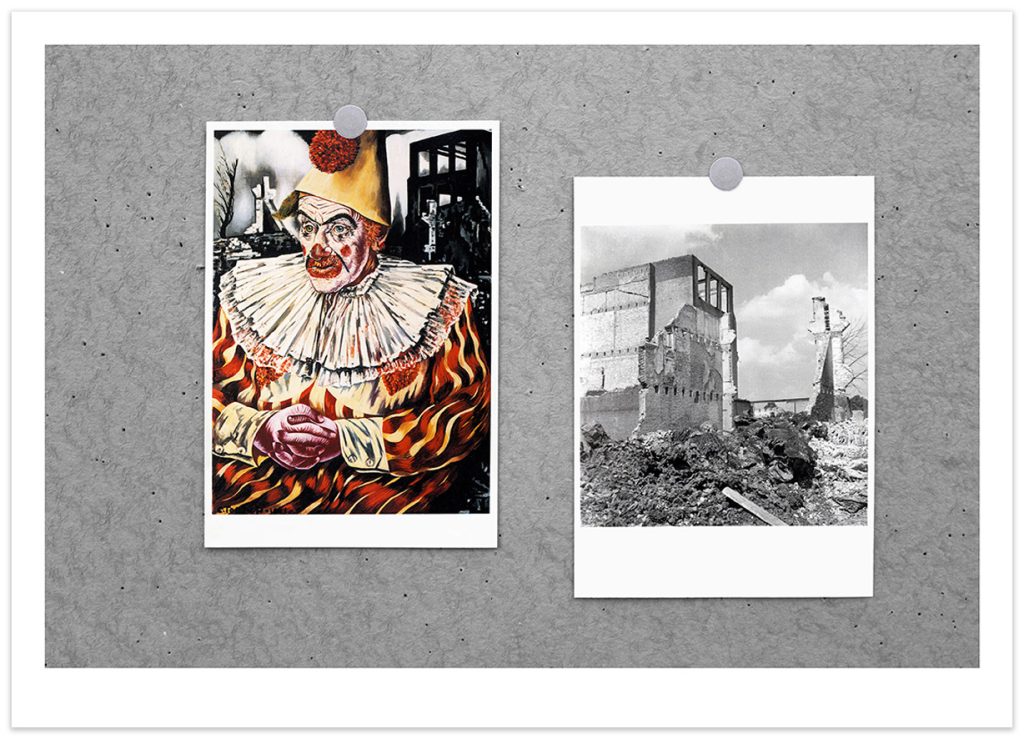
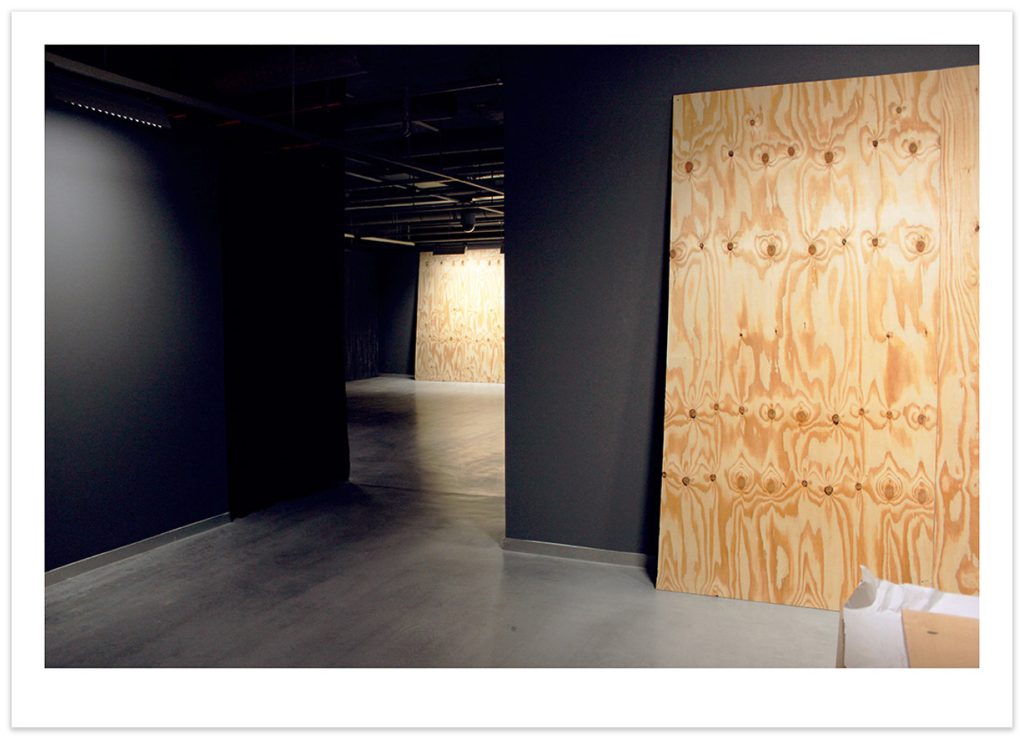
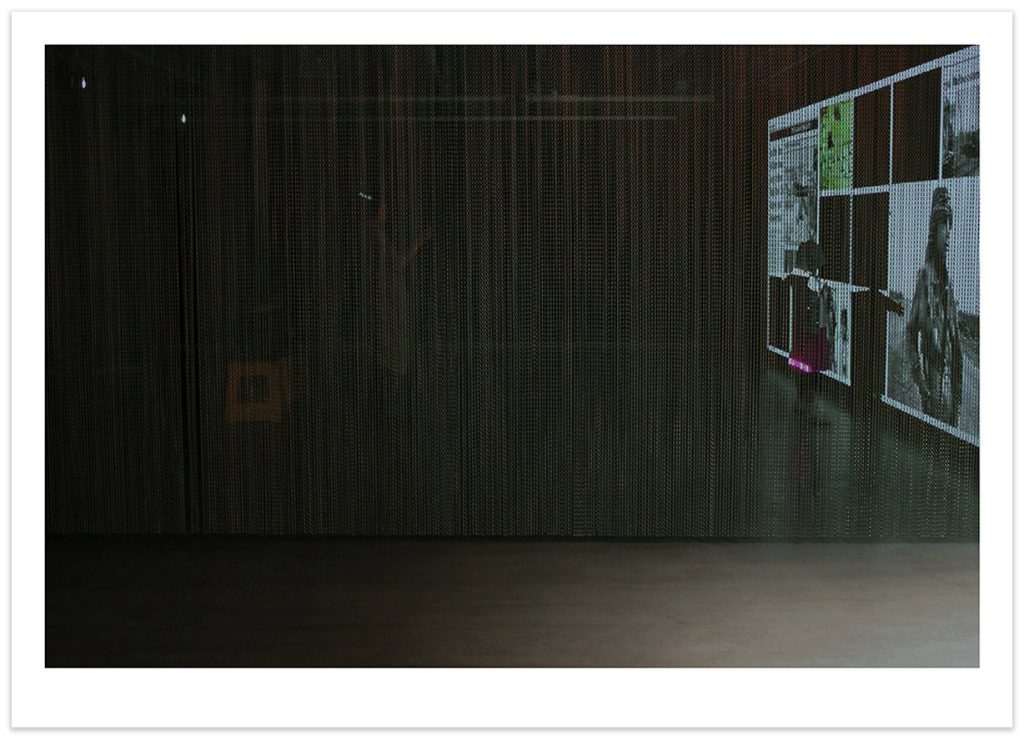
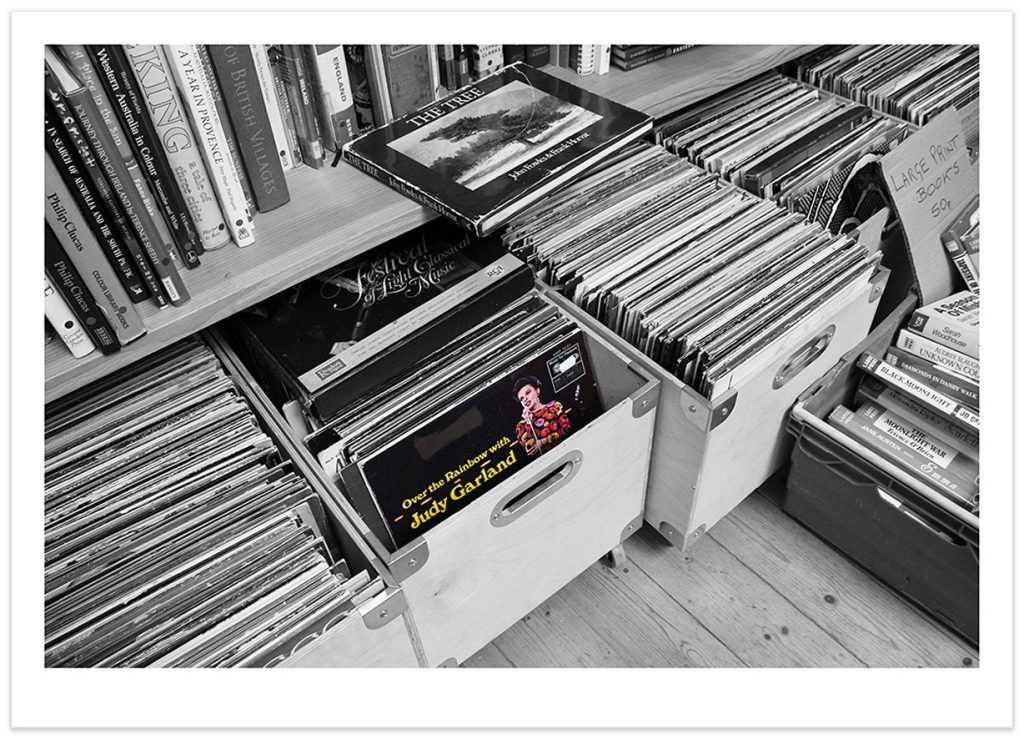
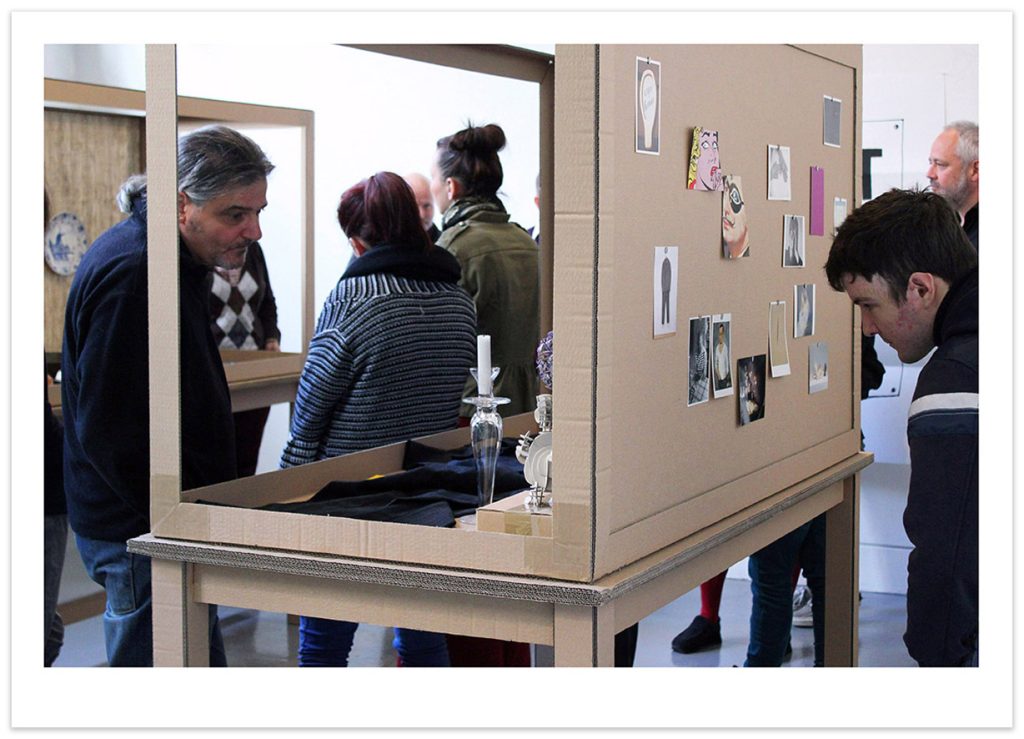
In 1935, Marcel Duchamp made the first edition of Boîte-en-Valise, a portable museum with reproductions and models of his own work in the form of a leather suitcase. Many regard this seminal work, which was reworked and revised many times by the artist, as an important early example of artists’ engagement with museum culture. However, I would argue that the artists’ interest and expertise in collecting and curatorial practice go much further back in time.
Almost three hundred years before Duchamp started producing his Boîte-en-Valise, the Flemish artist David Teniers the Younger (1610-1690) was appointed in 1650 by Archduke Leopold Wilhelm of Austria, regent of the Southern Netherlands at that time, as keeper of the Archduke’s vast art collection and his consultant on new acquisitions. Shortly after starting his prestigious part-time job, Teniers produced a series of paintings depicting the Archduke visiting his own picture gallery accompanied by aristocrats and the artist himself.
Nowadays, curatorial practices such as collecting, archiving, or exhibition making are key components of the artists’ toolkit. Over the last decades, artists have developed a wide range of curatorial modes to contextualise, structure, and (re)present their creative processes, to critique museum practice, or to comment on cultural attitudes. This often involves the construction or representation of archives and collections, interventions in museums and galleries, or the creation of mock museums.
Through production, reflection, and contextualisation, The Museum Within Us explores the role of collecting, curating, and display in my partly collaborative practice, covering the period 1995-2015. Driven by my love for museums, displays, and juxtapositions, I guide the viewer through my research and the different curatorial strategies that artists have employed as part of their creative process with a focus on my own artistic endeavours.
As part of my artistic partnership with the Scottish-Italian artist and curator Tracy Mackenna, I produced a variety of exhibition projects that took the museum as its starting point, often creating or representing public or private collections using a variety of media. Like many other artists, we used collecting, archiving, and displaying juxtapositions of visual material as productive modes of visual thinking, part of a process of exploration through images, to identify and generate references, contexts, ideas, and insights.
The Museum Within Us centres around two of our projects, titled The Museum of Loss and Renewal and WAR AS EVER! Both endeavours are represented, described, unpacked, reflected on, and contextualised by some earlier projects and examples of other artists’ practices. By giving in-depth access to the often hidden creative process, this project set out to explore the workings of my art practice and to show how artists creatively explore the functions and practices of museums. Going between the private studio and the public institution, I set out to create an artists’ book and an exhibition that reveals through images and text my own subjective understanding and experience of some fragments of my art production and the stuff that informs it.
This study only reflects specific aspects of my extensive and eclectic range of interests. By digging into what is elusive, indescribable and abstract, I tried to make sense of what my art practice is about. I came to the realisation that the concept of curatorial practice in all its manifestations would be the most suitable framework to explore my artistic concerns, impulses, and the many unknowns that drive it.